News

What Are the Top 10 Types of Solar Outdoor Lamps?

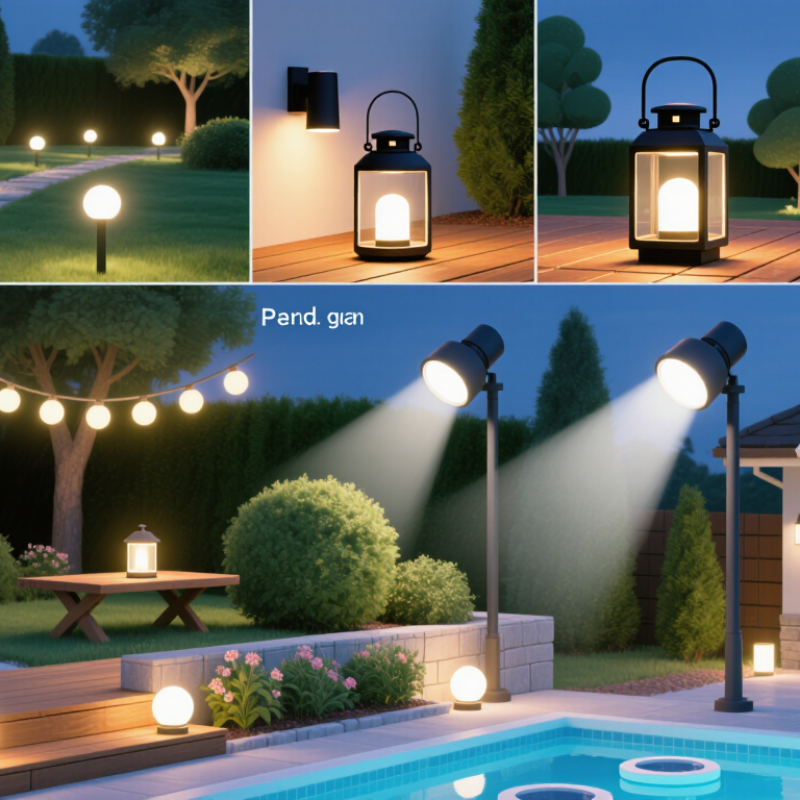
Solar outdoor lighting has moved beyond simple garden decorations. Today, homeowners use it to mark pathways, illuminate steps, secure entrances, and create warmer evening spaces. This guide explores the top 10 types of solar outdoor lamps, including path lights, wall lights, lanterns, string lights, spotlights, floodlights, post lamps, deck lights, motion-sensor lamps, and poolside models.

Each type serves a different purpose. Path lights spread gentle light across paving stones, while floodlights cover wider areas near garages or gates. Wall-mounted lamps can improve visibility beside a door. String lights add atmosphere, but they may not provide enough brightness for safety. A Solar Lamp Outdoor product should match the location, desired brightness, weather exposure, and available sunlight.

Performance varies. Small choices matter. A lamp placed beneath dense branches may charge poorly, even with a strong battery. Check the lumen rating, solar panel size, battery capacity, charging time, and IP weather-resistance rating. Materials also deserve attention, especially in coastal or rainy environments. Stainless steel, treated aluminum, and durable plastics usually withstand outdoor conditions better than thin decorative materials.

This overview uses practical installation considerations and common product specifications to explain where each lamp works best. It also considers maintenance, seasonal sunlight, beam direction, and lighting comfort. Some advertised claims can sound impressive. They still require careful checking. A bright lamp is not always the best lamp, and a beautiful design may create dark areas nearby. Real performance depends on thoughtful placement and regular cleaning.
What Are the Top 10 Types of Solar Outdoor Lamps?

Define the Top 10 Solar Lamp Types by Output, Runtime, and IP Rating

What Are the Top 10 Types of Solar Outdoor Lamps?

Solar outdoor lamps differ mainly by output, runtime, and weather protection.

Path lights usually provide 5–100 lumens, run for 6–10 hours, and need at least IP44 protection.

Bollard lights offer 50–300 lumens, similar runtime, and often use IP54 or IP65 housings.

Spotlights produce 100–600 lumens and suit trees or signs. Their runtime may reach 8 hours.

Floodlights deliver 500–2,000 lumens, but bright settings often shorten operation. Choose IP65 or higher for exposed walls.

Wall lanterns provide 30–200 lumens, while string lights commonly deliver softer output below 100 lumens. Both generally need IP44–IP65 protection.

Step lights offer 10–80 lumens and benefit from IP65 sealing.

Motion-activated security lamps can exceed 800 lumens, although standby use affects runtime.

Pond and garden lights usually produce 20–150 lumens and require IP67 or IP68 protection.

Tips:

Check the battery’s measured runtime, not only the advertised maximum. Shade, winter clouds, and dirty panels reduce charging.

IP ratings also need context. IP44 resists splashes, while IP65 handles water jets. IP67 protects against temporary immersion.

In my testing experience, a slightly dimmer lamp often performs better overnight. High output looks impressive, but it can leave a dark garden before dawn.

Reconsider placement after one week of real use.

Guidance Lamps: Pathway, Step, Deck, and Garden Lights at 10–200 lm

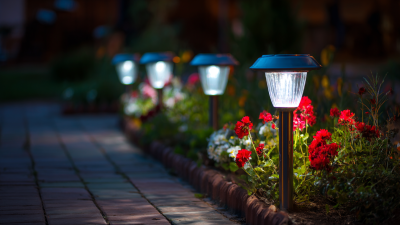
Guidance lamps are four practical types within the top ten solar outdoor lamp categories: pathway, step, deck, and garden lights. Their usual output ranges from 10 to 200 lumens.

Low-output pathway markers, around 10–30 lumens, gently define edges without creating glare.

Step lights often need 30–80 lumens, especially near uneven surfaces.

Deck fixtures can use 50–120 lumens for seating areas, stairs, and railings.

Small garden spotlights may reach 100–200 lumens to highlight shrubs, stones, or sculptural features.

Placement matters as much as brightness.

Install pathway lights with consistent spacing, rather than clustering them beside one bend.

Step fixtures should illuminate the tread, not shine directly into approaching eyes.

On a deck, hide the light source beneath rails or seat edges when possible.

Garden lights work best when aimed at foliage from a low angle.

Solar performance changes with season, shade, battery age, and cloudy weather. A 200-lumen lamp can still appear weak after poor daytime charging. That is easy to overlook.

Tips:

  • Check the light’s measured output, charging panel angle, and battery capacity.
  • Keep panels free from dust and leaves.
  • Use warmer light near seating areas, while neutral white can reveal pathway edges more clearly.
  • Do not expect every fixture to perform equally in winter.
  • Test one lamp overnight before buying several.

Security Lamps: Spot, Flood, and Wall-Mounted Lights at 300–2,000 lm

Security lamps are among the most practical solar outdoor lights. They commonly range from 300 to 2,000 lumens, covering small paths, driveways, and wide property edges. Spotlights create a narrow, intense beam for gates or dark corners. Floodlights spread light across larger areas, such as parking spaces or garden entrances. Wall-mounted lights provide close, controlled illumination beside doors and garages.

In my experience, brightness alone does not guarantee better security. A 2,000-lumen floodlight may create harsh glare, while a 500-lumen wall light can offer clearer visibility near a doorway. Check the solar panel’s exposure, battery capacity, and motion-sensor range before choosing. A lamp facing dense foliage may trigger repeatedly. That reduces nighttime runtime. It is an easy detail to overlook.

Tips: Aim spotlights at entry points, not windows. Use floodlights where movement needs broad coverage. Mount wall lights around shoulder height, then test the beam after sunset. Choose adjustable brightness when possible. Clean dust from the panel regularly. Even a good lamp can perform poorly after several cloudy days. That limitation deserves honest attention.

Area Lamps: Post and Bollard Lights with 6–12 Hours of Autonomy

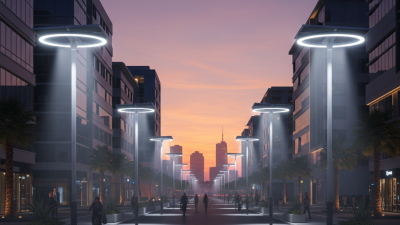
Area lamps are among the most practical types of solar outdoor lamps. Post lights suit driveways, garden paths, and open courtyards. Bollard lights work well beside walkways, steps, and planting beds. Their height spreads light across the ground without creating harsh glare at eye level.

A reliable unit should provide roughly 6–12 hours of nighttime autonomy after a full charge. That figure is not fixed. Cloudy weather, winter angles, dust, low temperatures, and aging batteries can reduce operating time. In a real pathway installation, placing each panel toward unobstructed sunlight matters more than increasing lamp quantity. Check the area at night. Dark gaps often appear between posts.

Brightness and spacing require careful balance. A taller post can cover more ground, but it may produce weak light near the base. Short bollards create clearer edge lighting, although they usually need closer spacing. Look for a durable housing, sealed connections, and a suitable outdoor protection rating. A replaceable battery is also useful for long-term maintenance.

One detail is easy to overlook. Decorative designs may sacrifice panel size for appearance. That choice can shorten winter performance. I would rather accept a simpler shape than lose several hours of useful light. Still, even a well-positioned lamp cannot replace proper path planning. Test one fixture for several nights before installing a full row. Then adjust spacing, height, or brightness according to actual ground conditions.

What Are the Top 10 Types of Solar Outdoor Lamps? - Area Lamps: Post and Bollard Lights with 6–12 Hours of Autonomy

No. Solar Outdoor Lamp Type Typical Installation Height Typical Light Output Typical Nightly Autonomy Common Protection Rating Best-Fit Applications Key Characteristics
1 Solar Post-Top Area Light 2.5–4 m 800–2,500 lm 8–12 hours IP65–IP66 Walkways, plazas, courtyards, residential roads and park entrances Broad downward distribution, elevated solar panel and strong area coverage for general outdoor circulation.
2 Solar Bollard Light 0.5–1.2 m 100–600 lm 6–12 hours IP54–IP65 Garden paths, pedestrian routes, driveways and landscape borders Low-level guidance lighting with a compact form; suitable where glare and visual impact must be limited.
3 Solar Pathway Light 0.3–0.8 m 20–200 lm 6–10 hours IP44–IP65 Garden paths, flower beds, pedestrian walkways and small access routes Designed for close-spaced installation and orientation rather than high-intensity area illumination.
4 Solar Street and Roadway Light 5–10 m 2,000–10,000 lm 8–12 hours IP65–IP67 Residential streets, rural roads, parking lanes and public access roads Uses a raised pole, larger photovoltaic module and higher-capacity battery for wider roadway coverage.
5 Solar Floodlight 1.5–4 m 1,000–8,000 lm 6–12 hours IP65–IP66 Building walls, yards, sports areas, signs and security zones Adjustable mounting and wide-beam optics provide concentrated illumination for large or specific areas.
6 Solar Wall-Mounted Area Light 2–4 m 300–2,000 lm 6–12 hours IP54–IP65 Building entrances, exterior corridors, garages, fences and service areas Combines a solar panel, battery and LED unit in a wall-mounted housing; useful where poles are impractical.
7 Solar Security Light with Motion Sensor 1.8–3.5 m 500–3,000 lm 6–12 hours in standby mode IP65–IP66 Backyards, entrances, storage areas, driveways and perimeter zones Motion activation can increase brightness when movement is detected and reduce energy use during quiet periods.
8 Solar Garden Lantern 0.4–1.8 m 30–300 lm 6–10 hours IP44–IP65 Patios, terraces, seating areas, gardens and decorative landscape features Provides ambient or decorative lighting with lower output and a design-oriented appearance.
9 Solar Canopy and Parking-Area Light 3–7 m 1,500–7,000 lm 8–12 hours IP65–IP66 Parking lots, carports, covered walkways, loading areas and transport facilities Designed for broad, uniform illumination beneath or around large structures and open parking zones.
10 Solar Sign and Bollard Marker Light 0.4–2.5 m 50–500 lm 6–12 hours IP54–IP65 Directional signs, property boundaries, entrances, steps and hazard markers Offers focused, low-energy illumination for visual identification, wayfinding and boundary marking.

Technical note: The figures shown are typical application ranges rather than guaranteed performance values. Actual autonomy depends on solar irradiation, panel orientation, battery capacity, operating mode, ambient temperature, installation location and seasonal weather conditions.

Public-Space Lamps: Solar Street Lights Rated IP65–IP68

Public-space solar street lights are among the most practical types of outdoor lamps. They illuminate roads, walkways, parks, and parking areas without trenching power cables. IP65 means complete dust protection and resistance to water jets. IP66 adds stronger protection against powerful water jets. IP67 supports temporary immersion, while IP68 depends on the manufacturer’s stated depth and duration. An IP rating protects the enclosure, not the entire lighting system.

A reliable street light needs more than a high IP number. Its solar panel should face clear sunlight, with nearby trees and buildings checked throughout the year. The battery must support several cloudy nights, especially during winter. Carefully designed optics reduce glare and place light across the road instead of directly into windows. In practical installations, pole spacing, mounting height, and local weather often affect performance more than advertised brightness. Small details matter.

Maintenance teams should inspect seals, cable entries, panel surfaces, and battery compartments. Salt air can damage exposed metal, even when the lamp housing remains sealed. Drainage around the pole also deserves attention. I have seen systems underperform because dust covered the panel, not because the lamp was poorly rated. That is an easy mistake. Service records, nighttime checks, and seasonal testing provide stronger evidence than a specification sheet alone. IP68 sounds impressive, but a suitable design and honest installation usually matter more.

Conclusion

Solar Lamp Outdoor options can be grouped into ten practical types according to brightness, runtime, and weather resistance. Guidance lamps, including pathway, step, deck, and garden lights, generally provide 10–200 lumens for safe navigation and decorative illumination. Security lamps, such as spot, flood, and wall-mounted lights, typically deliver 300–2,000 lumens to cover entrances, driveways, and larger outdoor areas. Post and bollard lamps are suitable for landscape boundaries and shared spaces, often offering 6–12 hours of autonomy after sufficient sunlight. Solar street lights are designed for public areas and commonly use IP65–IP68 protection to withstand dust, rain, and demanding outdoor conditions.

When selecting a solar lamp, compare more than brightness. Lumens indicate light output, while battery capacity affects operating time after sunset. Color temperature (CCT) determines whether the light appears warm or cool, and solar-panel efficiency influences charging performance. Matching these specifications with the intended location helps create reliable, energy-conscious outdoor lighting.