Top Tips for Choosing the Best Underwater Drone for Your Needs?
Choosing the right Underwater Drone can be a daunting task. With many options available, it’s crucial to identify what suits your needs. An underwater drone is not just a gadget; it’s a gateway to exploring the depths of the ocean. Whether for personal exploration, research, or professional use, understanding key features is essential.
Consider the depth rating. This determines how deep you can dive safely. Battery life is another critical factor. A drone that lasts longer underwater allows for extended exploration. Image quality matters, too, especially for capturing the beauty of marine life.
However, with numerous features come varied prices. Not every feature is necessary for every user. Reflecting on your specific needs will guide your choice. Do you need high-definition video? Or is basic functionality more than enough? As you navigate this decision, keep an open mind. Each underwater drone has its strengths and weaknesses. Take time to evaluate what truly appeals to you in an underwater adventure.
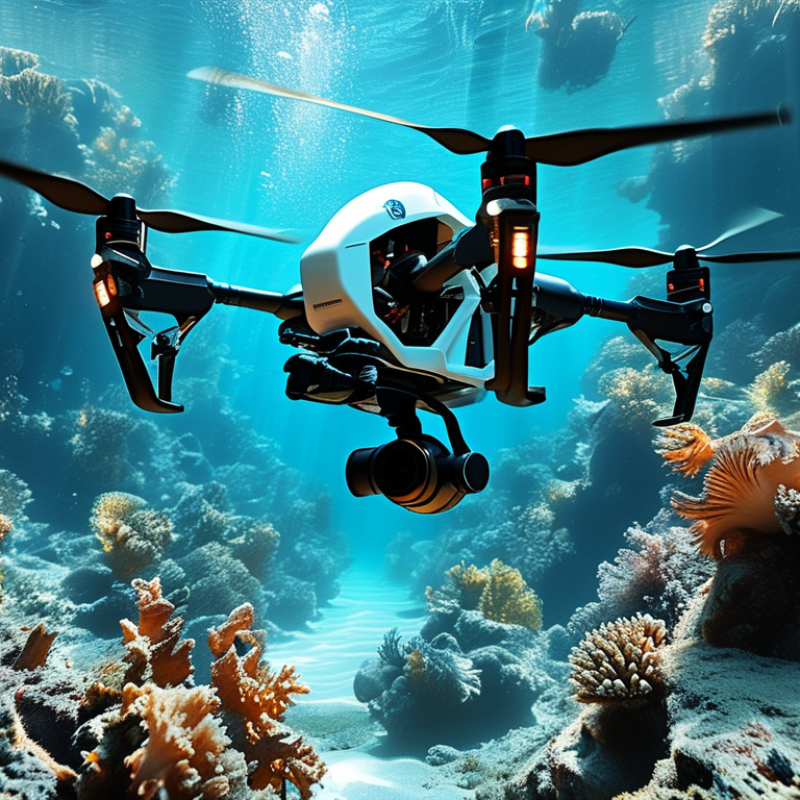
Understanding Your Underwater Exploration Needs and Goals
Understanding your underwater exploration needs is crucial when choosing a drone. Start by reflecting on what you hope to achieve. Are you capturing stunning photos, studying marine life, or searching for shipwrecks? Your primary goal shapes your choice. Knowing this helps narrow down the features you need.
For example, if photography is your focus, you'll need a drone with high-resolution cameras and excellent stabilization. If you're a researcher, you might require durable designs and advanced sensors. Take time to consider the conditions you'll be exploring—depth, water salinity, and temperature can all impact performance.
A versatile drone can adapt to various environments, but it often comes with trade-offs. Sometimes, specific features may not work well together. You might want a lightweight model for easy transport, but that can compromise stability in strong currents. Balancing your needs with the drone's capabilities is essential. Reflect on what compromises you are willing to make to achieve your goals.
Key Features to Look for in an Underwater Drone
When choosing the best underwater drone, several key features matter. The first is video quality. A drone with at least 1080p resolution offers clear images. Look for models with adjustable camera angles. This flexibility enhances your underwater exploration experience, allowing for unique perspectives.
Battery life is another critical feature. A longer battery life allows for extended missions. Some drones can run for over two hours. However, consider that real-world conditions can affect performance. Sometimes, you might find the battery lasting shorter than advertised.
Consider the drone's depth capability. Most options can reach depths of 100 meters or more. This capability allows exploration of varied underwater environments. However, don’t assume all drones handle pressure equally. Always check user reviews about performance at depth. Be aware that the drone's weight and design can impact maneuverability. A heavier model might struggle in currents, leading to frustration during use.
Comparing Price Ranges and Budget Considerations
When selecting an underwater drone, price is a significant factor. The market offers drones ranging from a few hundred to several thousand dollars. According to recent industry reports, the average price for quality models is around $1,000. While high-end models provide advanced features, budget options can still meet many needs effectively.
Before making a decision, consider how you plan to use the drone. Basic models often lack certain functionalities like high-resolution cameras or long-range capabilities. If your focus is on casual exploration or educational purposes, a drone in the lower price range may be sufficient. However, if you need enhanced features for professional filming or research, investing in a mid to high-priced model could be worthwhile.
Evaluate the total cost of ownership, including maintenance and accessories. Some cheaper options may require more frequent repairs, negating initial savings. Additionally, check for warranty and support, which can influence long-term satisfaction. Balancing your needs with budget constraints helps ensure a suitable choice, so reflect on your priorities and the potential trade-offs.
Evaluating Battery Life and Depth Limitations
When selecting an underwater drone, battery life is a crucial factor. The duration of a drone’s underwater operation can vary significantly. Some models last only 30 minutes, while others can function for over two hours. Short battery life limits exploration possibilities. It may require more frequent returns to the surface, which can interrupt your activities.
Depth limitations also play a vital role. Many drones can dive to depths of 100 meters or more. However, some may struggle beyond 30 meters. This limitation affects your ability to explore deep underwater environments. It's essential to consider your intended use. For recreational purposes, a shallow-diving drone might suffice. For professional applications, deep-diving capabilities may be necessary.
Think about charging options and battery replacement. Some drones offer quick-swapping battery capabilities, which can enhance usability. This feature is particularly important for longer missions. Reflection on these aspects ensures that you choose a drone that aligns with your underwater exploration goals. Evaluate your needs carefully. A drone's specifications should match your plans for underwater adventures.
Reviewing User Feedback and Expert Recommendations
When choosing an underwater drone, user feedback is invaluable. Many users emphasize the importance of battery life and video quality. Some drones perform well but drain batteries quickly, leading to frustration. Others may have excellent cameras but lack stability in rough waters. Understanding these trade-offs can guide a more informed decision.
Expert recommendations often highlight the significance of depth ratings. Drones designed for deeper waters generally come with sturdier designs. They are built to withstand pressure but may be pricier. Users suggest weighing your specific needs against these expert insights. A personal review of user experiences can illuminate real-world performance. Many reveal how drones handle various conditions—calm lakes vs. turbulent seas.
Pay attention to community feedback. It often unearths hidden gems and potential drawbacks about the products. While expert reviews provide a strong foundation, actual users know how these drones perform over time. Gathering this information will allow you to find the right balance. A well-rounded choice often arises from a combination of expert advice and firsthand user experiences. This method yields flexibility in meeting your specific needs.