
News
How to Choose Skin Friendly TPU for Global Sourcing?
Choosing the right Skin-Friendly Tpu for global sourcing requires more than comparing prices and color samples. Material performance can change across factories, climates, and production batches. A TPU film that feels soft in a showroom may become sticky after heat exposure or develop an odor during storage. These details matter when the material touches skin, clothing, medical accessories, or wearable products.
Experienced sourcing teams usually examine the complete material profile. They review hardness, elasticity, abrasion resistance, hydrolysis performance, surface friction, and odor control. They also request traceable technical data, safety documentation, and representative production samples. Small test pieces can reveal useful facts. Bend the film repeatedly. Press it against fabric. Leave it in a warm, humid environment. Then inspect its surface, flexibility, and smell. Laboratory testing remains essential, because visual inspection cannot confirm every skin-contact requirement.
Supplier reliability deserves equal attention. A capable manufacturer should explain resin grades, additives, colorants, quality controls, and batch consistency clearly. Independent testing can strengthen confidence, although test results may not represent every future shipment. That is a limitation worth acknowledging. Even experienced buyers can overlook packaging damage, transport heat, or inconsistent processing conditions. A practical sourcing plan therefore combines supplier audits, sample approval, written specifications, and periodic re-testing. The goal is not merely to find a soft TPU. It is to select a stable, documented, and responsibly produced material that performs safely across markets. Small mistakes become expensive. Careful verification reduces them.
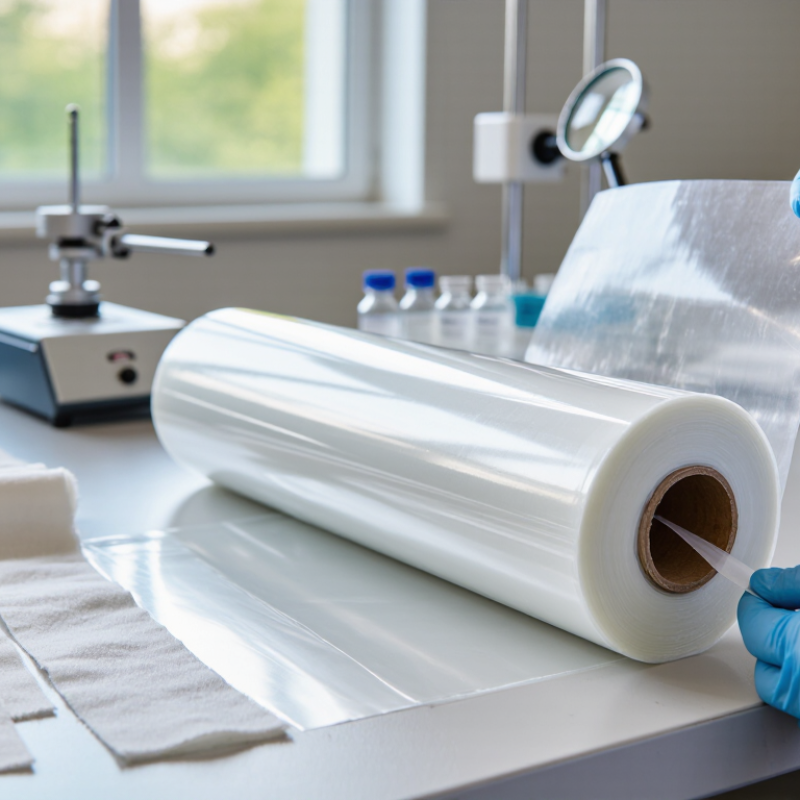
Understanding Skin-Friendly TPU and Its Global Sourcing Requirements
Skin-friendly TPU is not simply soft plastic. It must support comfortable, repeated contact with human skin. Global sourcing teams should review hardness, surface texture, odor, and chemical composition together. A soft grade may still cause irritation if additives migrate during use. Request current safety data, composition declarations, and test reports from qualified laboratories. Evidence matters more than a supplier’s general claim of “non-toxic” material.
Requirements vary by product category and destination market. Confirm whether the TPU touches skin briefly, continuously, or under pressure. Ask for tests covering skin irritation, sensitization, restricted substances, migration, sweat, and aging. Documents should identify the exact grade and production batch. Traceability is essential. It also helps buyers compare equivalent requirements across countries without assuming one certificate solves every market need. That assumption can be expensive.
Supplier evaluation should include samples, factory records, and controlled production trials. Check the material after heat exposure, bending, abrasion, and contact with artificial sweat. Inspect color stability and odor after packaging. In my experience, a sample can feel excellent while production material behaves differently. That gap deserves attention. Small inconsistencies may come from pigments, processing temperatures, or recycled content. Ask difficult questions, but remain open to revising the specification when test results reveal a better balance between comfort, durability, and global compliance.
How to Choose Skin Friendly TPU for Global Sourcing? - Understanding Skin-Friendly TPU and Its Global Sourcing Requirements
| Evaluation Dimension | Recommended Target or Requirement | Why It Matters for Skin Contact | Typical Verification Method | Global Sourcing Checkpoint |
|---|---|---|---|---|
| TPU Chemistry | Polyether or polyester TPU selected according to humidity, hydrolysis, oil, and abrasion exposure. | Polyether grades generally provide better hydrolysis resistance, while polyester grades often offer strong mechanical and abrasion performance. | Supplier technical data sheet, accelerated aging, hydrolysis, chemical resistance, and abrasion testing. | Confirm the exact polymer family and grade rather than accepting the general term “skin-friendly TPU.” |
| Hardness | Common starting range: approximately Shore A 70–95 for flexible wearable and soft-touch parts. | Hardness affects pressure, flexibility, comfort, deformation, and the risk of edge irritation. | Shore hardness testing according to ASTM D2240 or ISO 48-4, using controlled specimen thickness and conditioning. | Specify hardness tolerance, test method, specimen thickness, and acceptable lot-to-lot variation. |
| Surface and Skin Comfort | Smooth, non-abrasive surface with rounded edges and controlled surface texture. | Surface roughness, seams, flash, and sharp edges can increase friction, pressure points, and irritation. | Visual inspection, tactile assessment, dimensional inspection, and friction or abrasion evaluation where applicable. | Approve production-intent samples, including colorants, coatings, adhesives, printing, and final surface finish. |
| Biocompatibility | Risk-based evaluation for the intended contact type and duration; relevant ISO 10993 testing may include cytotoxicity, irritation, and sensitization. | A TPU described as non-toxic or skin-friendly is not automatically proven safe for every duration, user group, or application. | Biological evaluation plan, accredited laboratory reports, and finished-product testing where formulation or processing may affect results. | Request reports for the exact grade, color, additives, processing method, and final article—not only a generic resin declaration. |
| Chemical Compliance | Screen for restricted substances applicable to the destination market, including REACH SVHC requirements and RoHS where relevant. | Residual monomers, additives, pigments, plasticizers, heavy metals, and processing contaminants may affect safety and market access. | Supplier declaration supported by current chemical analysis, restricted-substance screening, and traceable test reports. | Define the destination countries and product category before issuing the specification and purchase order. |
| Moisture and Hygiene | Low moisture retention at the finished surface, with a design that can be cleaned and dried effectively. | Sweat, occlusion, and trapped moisture can contribute to discomfort and skin problems even when the polymer itself is well tolerated. | Water absorption testing, repeated cleaning or wipe testing, dimensional stability, and surface inspection. | Validate the complete product design, including vents, seams, closures, liners, and cleaning instructions. |
| Mechanical Durability | Requirements should be defined for tensile strength, elongation, tear strength, compression set, and abrasion according to the application. | Cracking, tackiness, permanent deformation, or surface wear can expose rough areas and shorten safe service life. | ASTM or ISO mechanical testing, cyclic flexing, compression-set testing, abrasion testing, and aging simulation. | Set measurable acceptance criteria and compare samples after heat, humidity, sweat, UV, and cleaning exposure when applicable. |
| Colorants and Additives | Use documented pigments, stabilizers, lubricants, and other additives suitable for the intended contact and market. | The finished color or additive package can change chemical exposure, migration behavior, odor, and biocompatibility results. | Full formulation disclosure under confidentiality controls, migration or extractables assessment, and finished-part screening. | Do not substitute colorants, masterbatch, regrind, or additives without written approval and requalification. |
| Manufacturing Controls | Controlled drying, molding temperature, residence time, cleanliness, lot traceability, and documented change management. | Processing conditions can influence degradation, odor, surface defects, residuals, and final mechanical properties. | Process audit, batch records, incoming inspection, certificate of analysis, and retained production samples. | Include lot number, manufacturing date, shelf life, packaging requirements, and notification periods for formulation changes. |
| Documentation and Import Readiness | Technical data sheet, safety data sheet, certificate of analysis, compliance declarations, test reports, and product specification. | Complete documentation supports risk assessment, customer approval, customs review, and post-market traceability. | Document review against the final application, destination-market rules, and purchasing specifications. | Ensure documents identify the exact grade, revision date, test standard, laboratory, sample description, and validity period. |
| Sampling and Qualification | Use a staged process: document screening, material samples, production-intent prototypes, laboratory testing, and pilot-lot approval. | Performance and skin-contact behavior can differ between raw pellets, molded plaques, and finished multi-material products. | Pre-production approval, independent verification testing, accelerated aging, and periodic requalification. | Approve the complete supply chain and maintain a change-control process for material, tooling, color, and manufacturing-site changes. |
