
News

How to Choose Ceiling Lamp Fixtures in 2026?

Choosing Ceiling Lamp Fixtures in 2026 requires more than matching a shade to your furniture. Modern homes demand balanced illumination, efficient performance, and reliable control systems. A fixture may look beautiful in a showroom, yet create harsh glare above a dining table. That mistake is common.

Lighting designer and author Randall Whitehead offers a useful perspective: “Lighting is the jewelry of architecture.” His words remind us that a ceiling lamp should enhance a room, not dominate it. Good selection begins with the space itself. Measure the ceiling height, table size, room area, and existing daylight. Then consider brightness, color temperature, beam spread, and dimming compatibility.

Details matter.

Warm light near 2700K can make wood and fabric feel inviting. Neutral light around 3000K may suit kitchens, offices, and modern interiors. A high color rendering index helps walls, food, and artwork appear more natural. Flush mounts work well beneath low ceilings. Pendants need careful positioning, especially above walkways and dining surfaces. Smart controls can improve convenience, but compatibility problems still occur with older wiring and dimmer switches.

The best Ceiling Lamp Fixtures combine visual character with safe, practical performance. Look for clear specifications, replaceable components, trusted certifications, and accessible maintenance information. I have found that attractive designs sometimes hide weak light distribution or difficult cleaning. That deserves honest consideration.

Trends can change quickly. Your room should not.
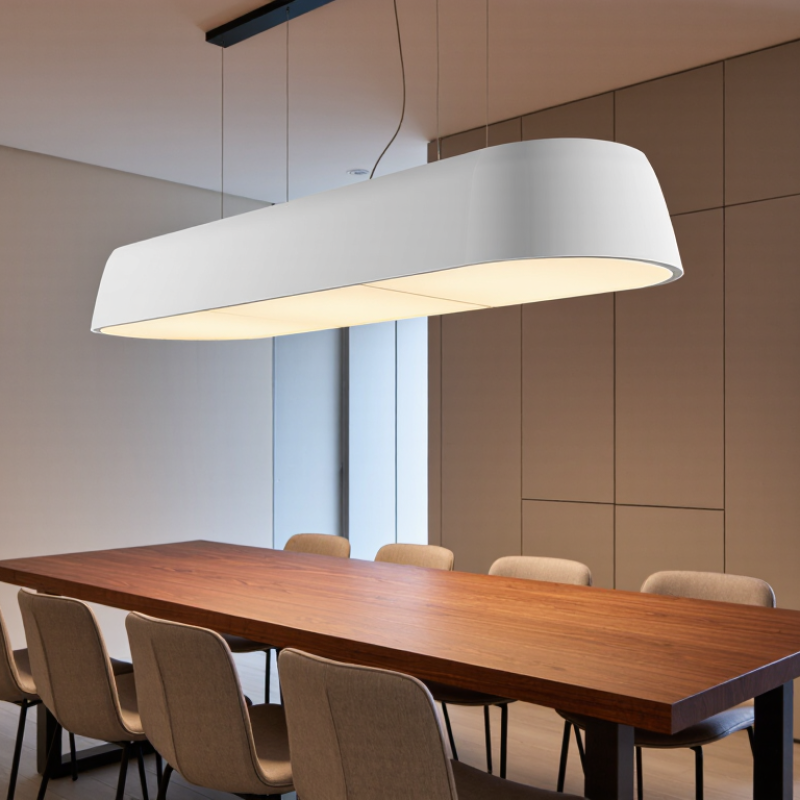
How to Choose Ceiling Lamp Fixtures in 2026?

Define Your Room’s Lighting Needs and Ceiling Conditions

Choosing a ceiling lamp starts with the room, not the fixture’s appearance. Ask what you need to see there. A kitchen requires clear task lighting over counters. A bedroom usually benefits from softer, warmer illumination. In a study, reduce shadows across the desk. I measure the room and note existing windows before shopping. This simple step often prevents buying a beautiful lamp that feels too dim.

Ceiling conditions matter just as much. Check the ceiling height, junction box position, and available wiring. A low ceiling may need a slim flush fixture. A tall room can handle a pendant with a carefully adjusted drop. Inspect the mounting surface for cracks or movement. The electrical box must support the fixture’s weight. In bathrooms or covered outdoor areas, choose a fitting rated for the expected moisture level. Never assume a dry-looking ceiling is electrically safe.

I also test the room at night, because daytime impressions can be misleading. Consider brightness, beam spread, color temperature, and dimming compatibility. A wide diffuser can soften harsh shadows, while a narrow beam may create distracting bright spots. I once selected a lamp based only on its size; the light was uneven and uncomfortable. That mistake taught me to review the whole ceiling, not just the fixture. If wiring seems damaged or uncertain, have a qualified electrician inspect it before installation.

Compare Ceiling Lamp Types, Sizes, and Light Distribution

Choosing ceiling lamp fixtures in 2026 starts with room function, not decoration. Flush mounts suit low ceilings and compact bedrooms. Semi-flush fixtures add depth without blocking movement. Pendants create a stronger focal point above dining tables or kitchen islands. Recessed lights offer a clean appearance, but they may produce harsh shadows without additional fixtures.

Measure twice. A practical sizing guide adds the room’s length and width in feet, then uses that number as the fixture diameter in inches. For metric rooms, compare the fixture width with the furniture below it. Leave comfortable head clearance in walkways, and check local electrical requirements before installation. That rule can fail. A large, bright fixture may overwhelm a small room with dark walls.

Distribution changes everything. Frosted shades spread gentle light across ceilings and walls, making bedrooms feel calmer. Clear shades create sharper highlights and visible glare. Downward light helps with tasks, while upward light can soften a narrow room. For reliable results, check lumens rather than wattage, and choose a color temperature suited to the space. Warm light often feels comfortable in living areas; neutral light supports kitchens and work zones. I have seen attractive fixtures perform poorly because their light stopped at the table. A layered plan usually works better: one ceiling fixture, controlled task lighting, and softer accent light.

Select the Right Brightness, Color Temperature, and Controls

Choosing a ceiling lamp in 2026 starts with useful brightness, not the highest lumen number. For a living room, 1,500–3,000 lumens often suits a medium-sized space, depending on ceiling height, wall color, and furniture. The Illuminating Engineering Society recommends designing by maintained illuminance, because light output decreases as fixtures and surfaces age. I have found that a bright fixture can still feel dim when its beam is narrow.

Color temperature changes the room’s character. Around 2700K creates a warm, relaxed atmosphere for bedrooms and dining areas. Around 3000K usually feels cleaner without becoming harsh. For kitchens, offices, and work zones, 3500–4000K can improve visual clarity. However, cooler light is not automatically better. The U.S. Department of Energy notes that LED efficiency and color quality must be considered together, not separately. Check the CRI rating too; CRI 90 or higher can make food, wood, and skin tones look more natural.

Controls deserve equal attention. Dimming, occupancy sensing, and scheduling can reduce wasted electricity in rooms that are frequently empty. The International Energy Agency reports that lighting uses roughly 15% of global electricity, so small control improvements matter at scale. Choose controls compatible with the lamp’s driver, or flicker may appear. That mistake is easy to make. I still prefer physical wall controls in bedrooms, because app-only systems can feel inconvenient during a network outage. Real homes are less predictable than product specifications.

How to Choose Ceiling Lamp Fixtures in 2026? - Select the Right Brightness, Color Temperature, and Controls

A practical comparison guide for selecting ceiling fixtures by room function, light output, color temperature, and control options.

Room / Use Recommended Illuminance Suggested Total Output Preferred Color Temperature Color Rendering Useful Controls Selection Notes
Bedroom 100–200 lux 1,000–2,000 lumens for 10 m² 2,700–3,000 K CRI 80+; CRI 90+ for better fabric and skin-tone accuracy Dimming, remote control, scene presets Choose diffused light and low-glare optics for a relaxed atmosphere.
Living Room 100–300 lux 1,500–3,000 lumens for 15 m² 2,700–3,500 K CRI 80+; CRI 90+ where artwork or décor is important Dimmer, wall switch, smart scheduling Use adjustable brightness to support entertaining, relaxing, and cleaning.
Dining Area 150–300 lux 1,500–3,000 lumens for 12 m² 2,700–3,000 K CRI 90+ recommended for food presentation Dimming, scene control, compatible wall switch Select a fixture sized to the table and avoid direct glare at seated eye level.
Kitchen 300–500 lux 3,000–5,000 lumens for 12 m² 3,000–4,000 K CRI 90+ recommended for accurate food colors Dimming, separate task-light switching, occupancy sensor Check that the ceiling fixture does not create shadows on work surfaces.
Home Office 300–500 lux 2,000–4,000 lumens for 10 m² 3,000–4,000 K CRI 80+; CRI 90+ for detailed visual work Dimming, scheduling, occupancy or daylight sensor Use a low-flicker fixture and combine ceiling light with task lighting.
Bathroom 200–500 lux 2,000–4,000 lumens for 8 m² 3,000–4,000 K CRI 90+ near mirrors Dimmer where permitted, occupancy sensor, timer Verify the fixture’s wet-location or damp-location rating for its installation position.
Hallway / Entry 100–200 lux 800–1,500 lumens for 8 m² 2,700–3,500 K CRI 80+ Occupancy sensor, timer, three-way switching Select a compact, even-lighting fixture that provides clear circulation paths.
Utility / Laundry Room 300–500 lux 2,000–4,000 lumens for 10 m² 3,500–4,000 K CRI 80+ Occupancy sensor, timer, simple on/off switching Prioritize uniform illumination, easy cleaning, and durable construction.
Quick calculation: Estimated lumens = room area in square meters × target illuminance in lux. Actual results vary with ceiling height, wall color, fixture efficiency, beam spread, and existing daylight.

Check Energy Efficiency, Smart Features, Safety, and Installation

How to Choose Ceiling Lamp Fixtures in 2026?

Start with light output, not appearance. Measure the room and check lumens, wattage, and color temperature. A small bedroom may need soft, warm light, while a kitchen needs brighter, clearer illumination. Energy-efficient LED fixtures usually reduce electricity use and last longer. However, efficiency labels can be confusing. Compare lumens per watt instead of trusting vague claims.

Smart features should solve a real problem. Dimming, schedules, motion detection, and voice control can improve comfort. Check whether the fixture works with your existing switch and home network. Some models still consume standby power. That detail is easy to miss. I once chose a dimmable lamp that flickered with an incompatible wall control. The fixture was not defective, but the combination was wrong.

Safety deserves careful attention. Look for recognized electrical safety certification and suitable protection for damp rooms. Confirm the ceiling box can support the fixture’s weight. Turn off the circuit breaker before installation, then test the wires with a reliable voltage tester. Follow the installation instructions and local electrical requirements. If wiring is damaged, the ceiling is weak, or the instructions seem unclear, hire a qualified electrician. A neat appearance is not enough. Loose connections can create heat, noise, or failure later. Measure the ceiling height too, because a low fixture may cause repeated bumps in a busy hallway.

Match Materials, Style, Budget, and Long-Term Maintenance

How to Choose Ceiling Lamp Fixtures in 2026?

Material should follow the room’s conditions, not only its appearance. Powder-coated metal suits kitchens because it tolerates frequent wiping. Glass spreads light evenly, but fingerprints become visible near dining areas. In humid bathrooms, choose corrosion-resistant finishes and fixtures rated for damp locations.

A practical test helps: stand beneath the fixture and check whether the shade creates harsh shadows. I once chose a beautiful narrow shade for a hallway. It produced glare. That was a costly lesson.

Style should support the room’s proportions. A low ceiling usually needs a slim flush fixture, while a high ceiling can accept a larger pendant. Warm light around 2700–3000K often feels comfortable in bedrooms and living spaces. For work areas, 3000–4000K may improve visual clarity.

The U.S. Department of Energy reports that LEDs use at least 75% less energy and last up to 25 times longer than incandescent lighting. Efficiency matters.

Budget for installation, controls, replacement parts, and cleaning. A cheaper fixture may have poor drivers, fragile clips, or an integrated LED that cannot be replaced easily. Check the warranty and spare-part availability before buying. ENERGY STAR guidance also emphasizes comparing energy use and rated life, not just purchase price.

I prefer replaceable lamps when access is difficult. Integrated designs can look cleaner, though maintenance becomes less flexible. Think beyond today. A five-year cost estimate is imperfect, but it exposes hidden compromises.